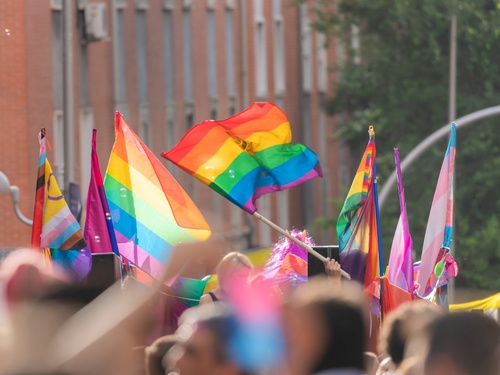

Pride Month is more than a celebration - it’s an opportunity to help students better understand identity, inclusion, and the importance of respecting differences.
Educators play a critical role in preparing students for an increasingly diverse society. Creating an inclusive space isn’t just about representation, it’s about helping every student feel safe, affirmed, and able to participate fully in their learning.
Why Pride Month Matters in Education
Each June, Pride Month commemorates the events of the Stonewall Uprising in New York City in 1969, which was a turning point in the fight for LGBTQ+ rights. What began as a protest against discrimination has now evolved into a nationwide recognition of resilience, progress, and community.
For educators, Pride Month provides a natural entry point to explore broader themes such as civil rights, equality, and social change.
Making Inclusion Part of Everyday Learning
Bringing LGBTQ+ perspectives into the classroom doesn’t require a complete overhaul of your lesson plans. Small, intentional choices can make a big difference.
In English, try incorporating works by American authors like James Baldwin. Even short excerpts can spark meaningful discussions about identity and lived experience.
Geography classes could offer opportunities to compare LGBTQ+ rights around the world, helping students to develop an understanding of culture, law, and human rights in other countries.
In History, consider connecting LGBTQ+ history to wider civil rights movements. Lessons might explore the role of activists, or the fight for marriage equality.
Art, drama, or media projects can give students space to explore themes of identity, voice, and belonging in ways that feel personal and engaging.
Highlighting LGBTQ+ Changemakers
Centering LGBTQ+ voices helps students see the real people behind social change. Consider discussing figures such as:
Harvey Milk – One of the first openly gay elected officials in the U.S., whose leadership helped advance LGBTQ+ rights in California
Marsha P. Johnson – A Black transgender activist who played a key role in the Stonewall Uprising
Billie Jean King – A tennis icon who has also been a strong advocate for equality and inclusion
Student-led projects like presentations or classroom displays can help bring these figures to life in meaningful ways.
Expanding Representation Across Subjects
LGBTQ+ people have shaped history in many ways besides activism. Integrating LGBTQ+ figures naturally into your teaching can be an effective approach to normalizing inclusion and helping students understand that LGBTQ+ people have always been part of history, not separate from it.
For example, in STEM classes you might mention Sally Ride, the first American woman in space, who later championed inclusive science education. You could also highlight how LGBTQ+ individuals have contributed to major cultural and political movements, like Bayard Rustin who was a chief organizer of the March on Washington and advisor to Dr. Martin Luther King Jr.
Building a Supportive School Culture
Pride Month can be a starting point, but inclusive practices should be part of school culture year-round. Educators can support this by:
Getting involved with or supporting Gender and Sexuality Alliances (GSAs)
Reinforcing clear anti-bullying expectations
Using inclusive classroom language and materials
Continuing professional learning on equity and culturally responsive teaching
Even small steps help create a safer and more welcoming environment for all students.
A Shared Commitment to Inclusion
At Tradewind Subs, supporting LGBTQ+ students and educators is part of our ongoing commitment to equity in education. When students feel respected and represented, they’re more likely to engage, participate, and succeed.
By approaching Pride Month with intention and carrying those practices forward, we can help build a classroom where every student knows they belong.